News, showcases, research, and developer notes from the WLJS Notebook team
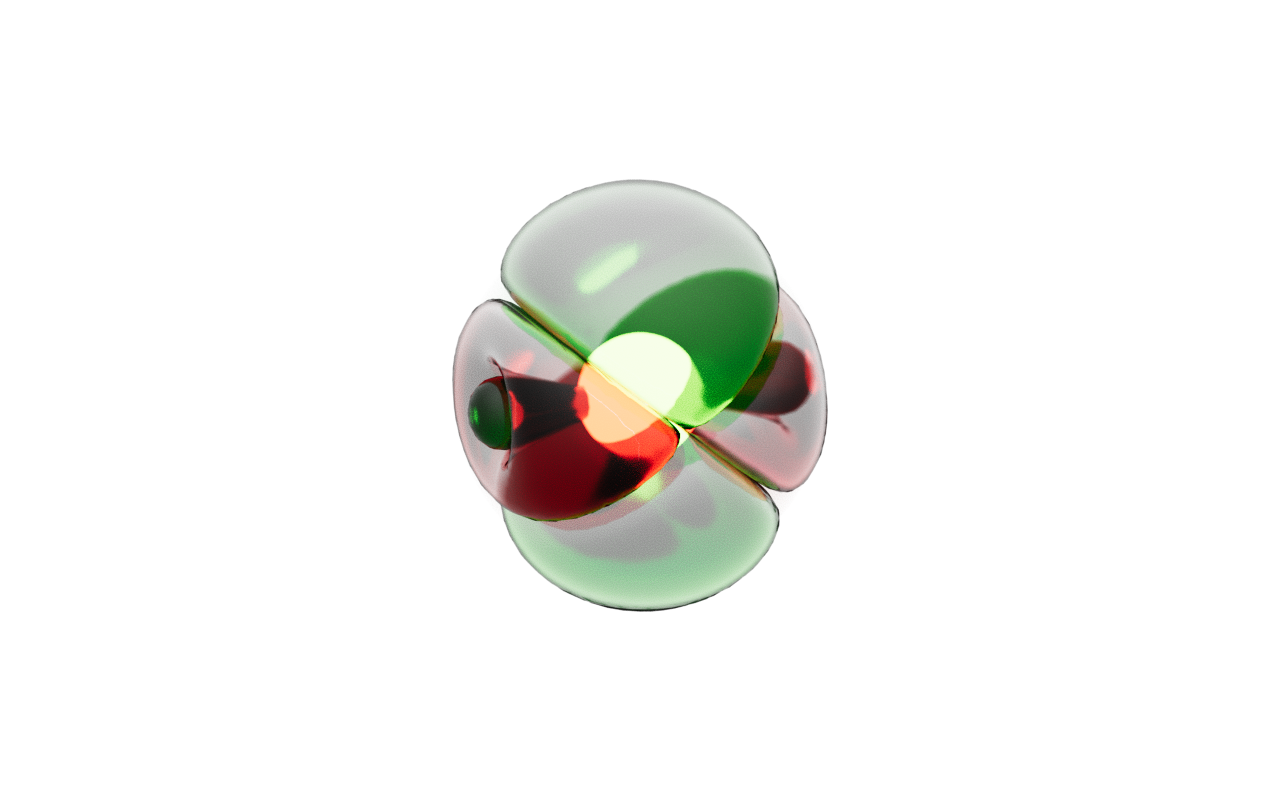
Marching Cubes with LibraryLink
The [Marching Cubes algorithm](https://en.wikipedia.org/wiki/Marching_cubes) is a classic technique for extracting polygonal meshes from 3D scalar fields. In this notebook, we implement it as a C library via LibraryLink and render the resulting surfaces using plain `Graphics3D` with `GraphicsComplex`. The goal is to achieve real-time animation of isosurfaces - potentially thousands of polygons — with smooth shading powered by precomputed gradient normals.
Time-domain Echo Removal
It is common in time-domain spectroscopy to observe copies of the initial system response due to impedance mismatch. If deconvolution is not possible using slab-like models, then we have to smoothly suppress them to avoid artifacts in further processing
Animating Hypotrochoids
Spirograph-like curves arise from simple sums of rotating vectors; a tiny tweak in frequency or phase yields striking patterns
Camera stream
In this example we will stream the data from your connected web-camera or any other camera-like device and perform real-time data processing
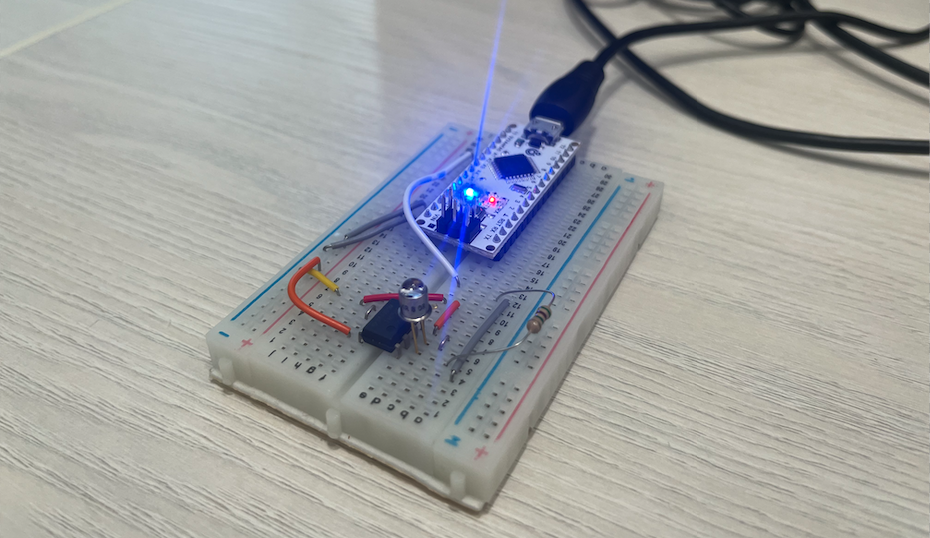
Robust Arduino ADC reader for Wolfram Language
An onboard ADC (analog-to-digital converter) is one of the basic features of Arduino-compatible boards. With just a few lines of code, the can turn voltages into numerical values. When streamed over a serial interface, these values let the Arduino act as a live external sensor—capturing data from photodiodes, microphones, or other circuits.
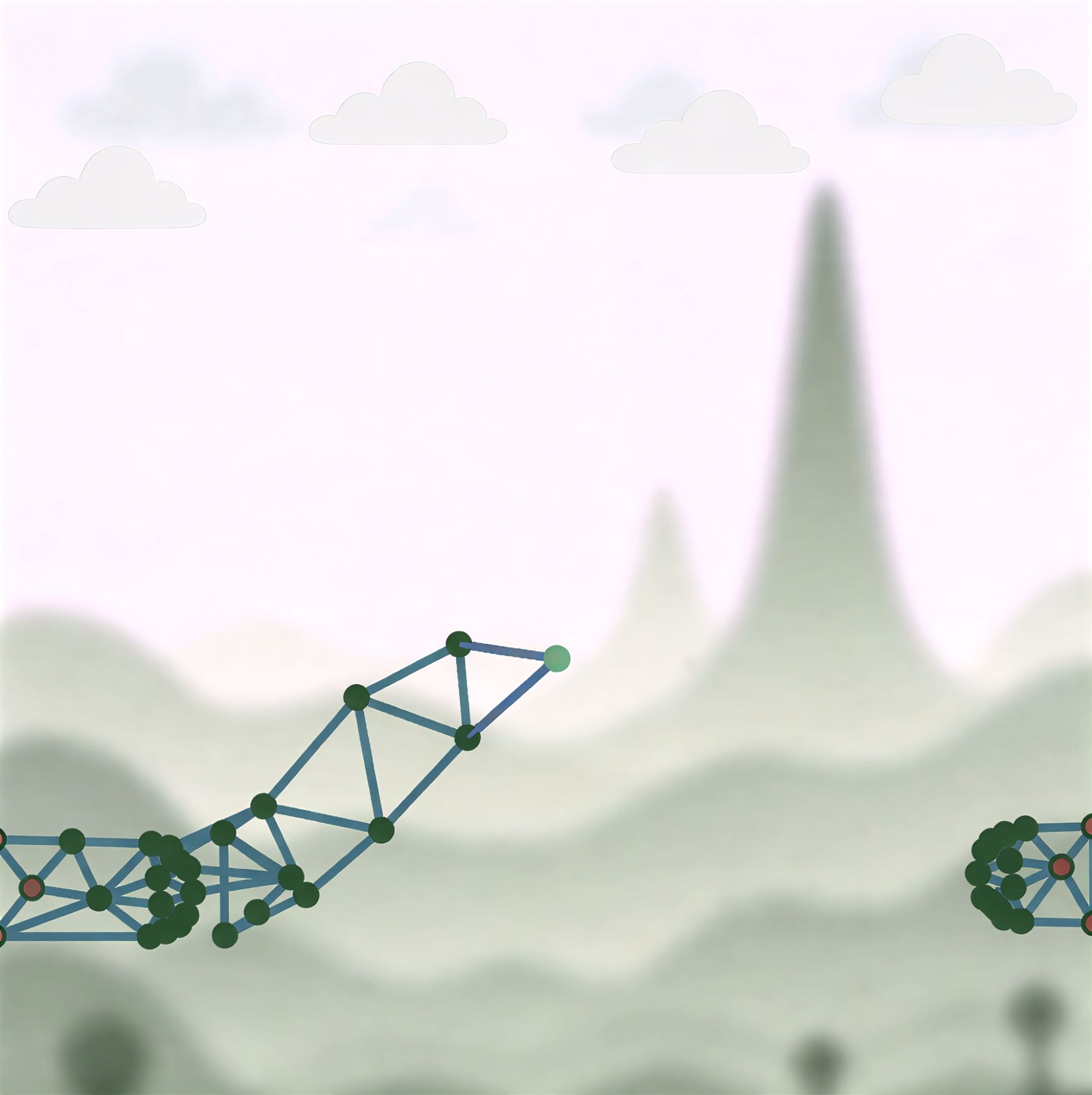
Recreation of World of Goo or Bridge Construction Game with WLJS
Here we shall try to model a system of interconnected bonds using the Verlet method. Then, we'll add some visuals to make it feel like a game.
Let's play billiard
A toy-like example on the real-time collisions resolution using Verlet Integration method
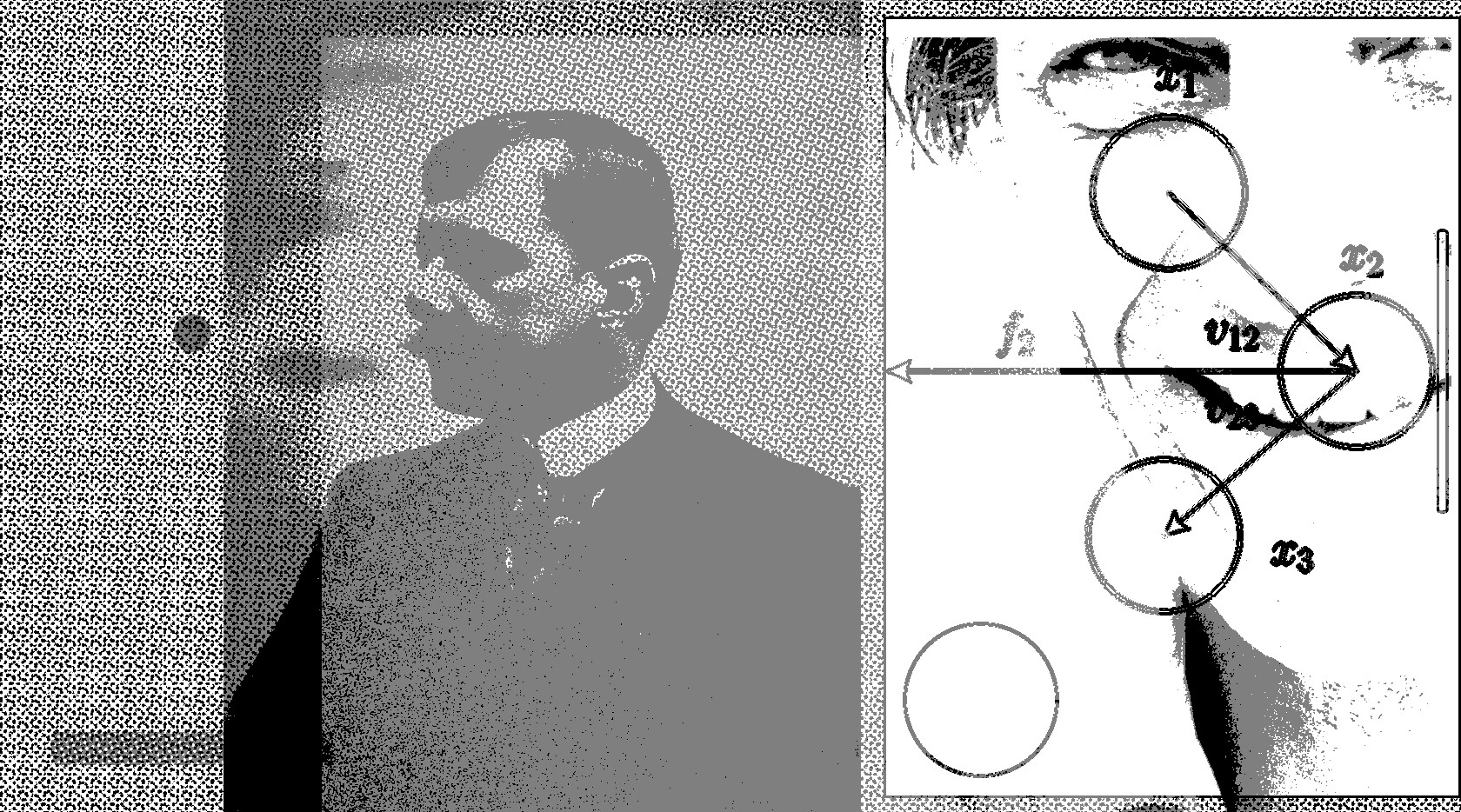
1 Minute of Verlet Integration
The Verlet method is one of the most elegant and simple numerical approaches to solving equations of motion. You can find it in molecular physics as well as in game development (cloth simulation). Recently, I made a [short video](https://www.youtube.com/shorts/6eLUQDEBBHI?feature=share) with a visual demonstration.
Dragging object in constrained area
In this example, we construct a solid region with a Г-shaped cutout, where a small rectangle is going to be dragged by a user's mouse.
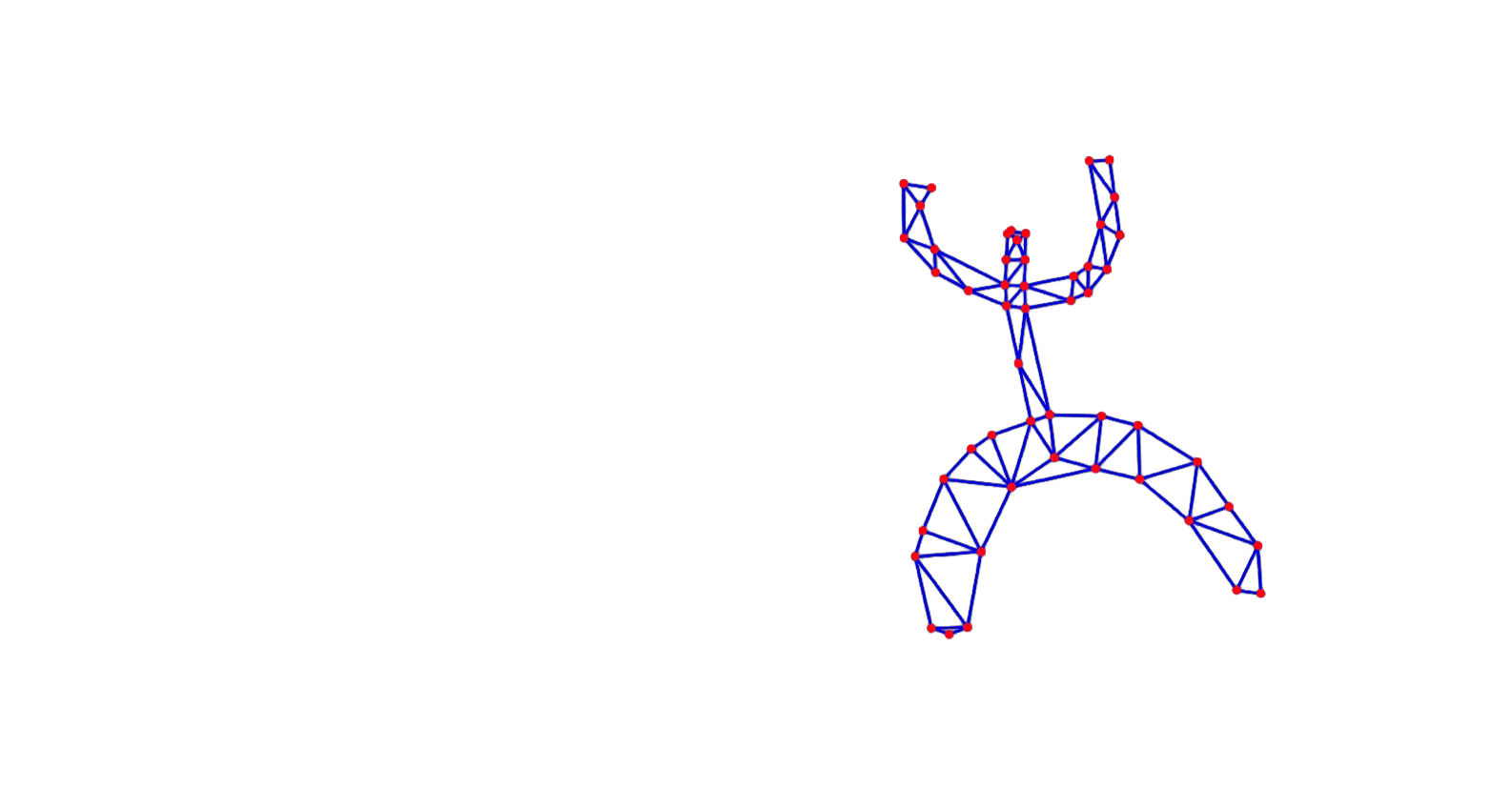
Basic Verlet Integration Implementation
Harnessing the power of Newton's equations and numerical methods to solve the dynamics of arbitrary planar meshes in real-time
Quick 3 band-stop filter
A EQ-like band-stop filter mini app for processing any XY numerical data tables with interactive preview and real-time data manipulation.
Keys and Fingerboard
A notebook demonstrating a custom `View` functions with a working toy-like piano and guitar fingerboard. This covers basic graphics manipulation, sound emission and working with dynamic graphics groups.
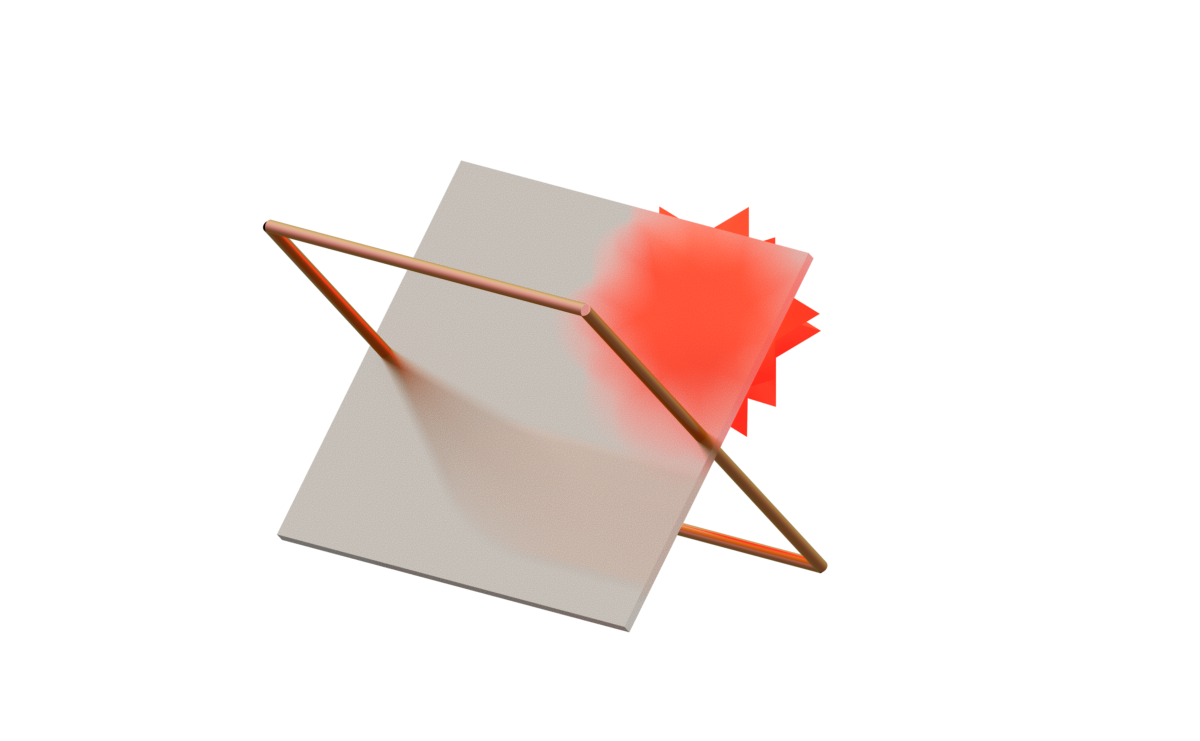
Interactive Presentation, or How to Code a Slide with Markdown and WL
An ultimate guide for non-WLJS/non-WL users. Programmatically generating slides and graphics isn’t new—you can already do it with Python, HTML, JSX, Julia, and more. Most tools combine declarative markup (like Markdown/HTML); we’ll take the same approach, but add dynamic elements, reusable components, and event bindings—all aimed at making things simpler, not harder.
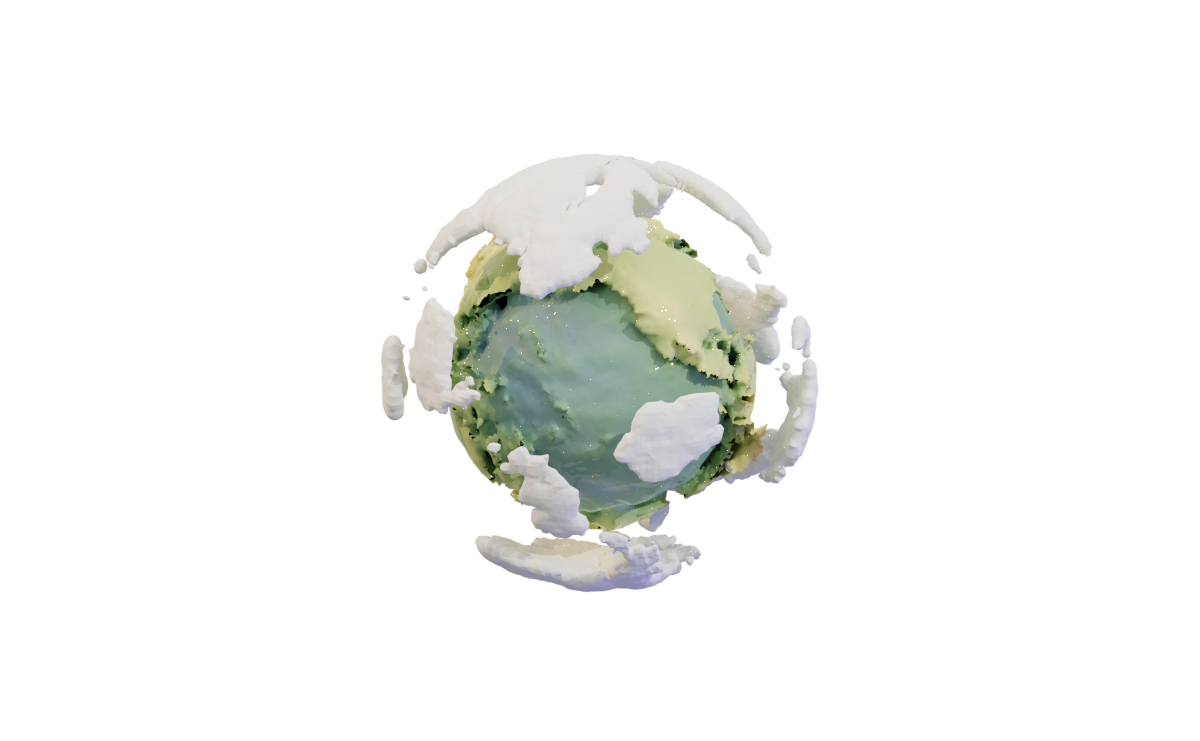
Modeling Earth
Have you ever played Outer Wilds? The planets there are incredibly beautiful. This actually became the main motivation to create my own simple model of a planet, using real geographical elevation data and a bit of Wolfram Language magic.
Interactive Magnifying Glass Effect
This code creates a magnifying glass effect over an image in Wolfram Language. As the mouse moves over the image, a zoomed-in circular region follows the cursor, simulating a magnifying lens.
Optic units converter
There are many physical units converters on the internet. Here we made one for our optics THz lab in University of Augsburg 🇩🇪
CPU Animation in a Single Cell
Thi basic animation creates an interference pattern by combining three sine waves with different frequencies
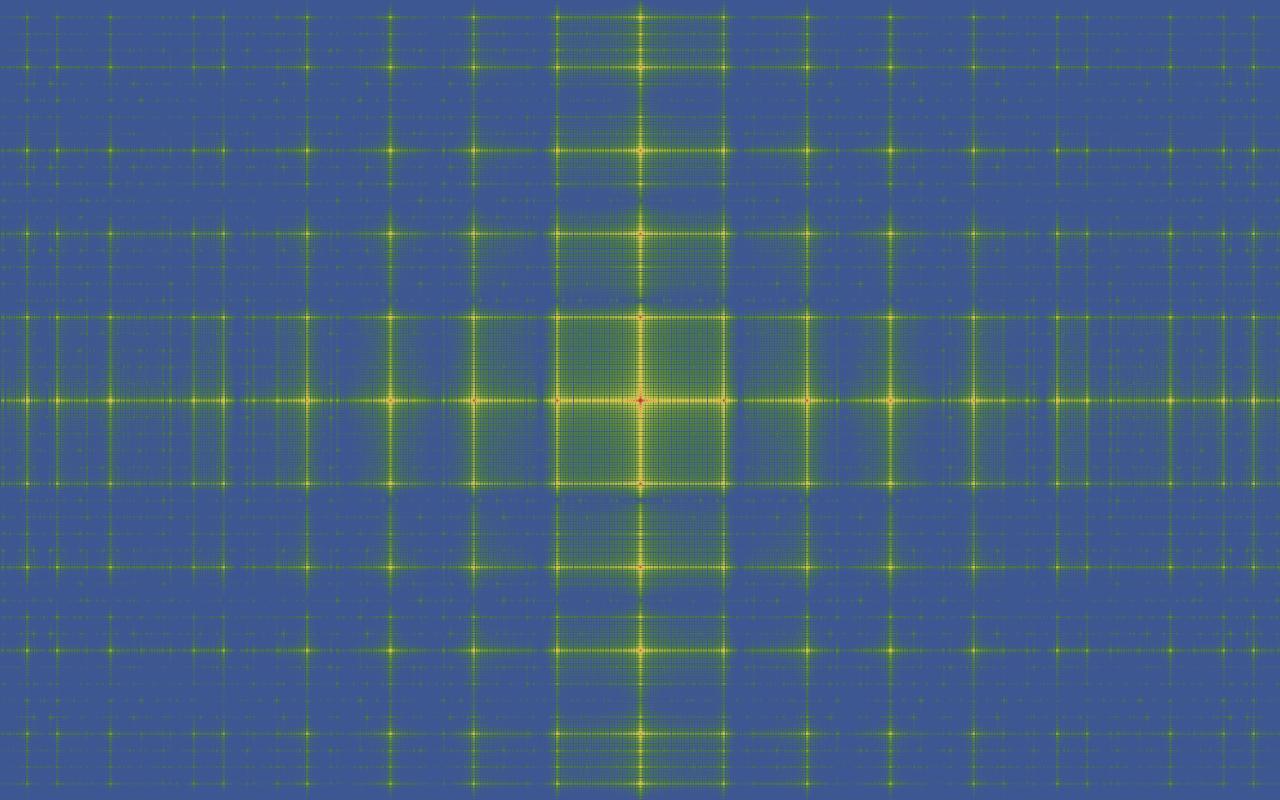
Fraunhofer diffraction
This post explores the basic computational analysis of Fraunhofer diffraction patterns using 2D fourier tranformation
Animated bar charts
You've likely seen videos featuring animated bar charts with a timeline, where the bars dynamically shift and overtake each other. Here is a snippet for that
Covariant Matrices and Ellipses
By simply computing the covariance matrix and finding its eigenvectors and -values, you can determine the principal axes and the corresponding lengths of the ellipse
Real-time Fluid Simulation
In this post, we will explore a simple technique for simulating 2D incompressible fluids for visual effects. This work is mostly based on Jos Stam. Stable Fluids SIGGRAPH 1999
FDTD Method
In this article, we attempt to solve Maxwell's equations for a 1D case with two interfaces. This work is based on John B. Schneider's Understanding the Finite-Difference Time-Domain Method, 2023
Realtime Finite Elements Method
Here we will solve simple 2D wave-equation and visualize it in realtime using polygons
Quantum Well
Solving the time-independent Schrödinger equation for a **finite square quantum well** using numerical eigensystem methods. This notebook computes the first few bound-state energy levels and wavefunctions, and provides an interactive visualization.
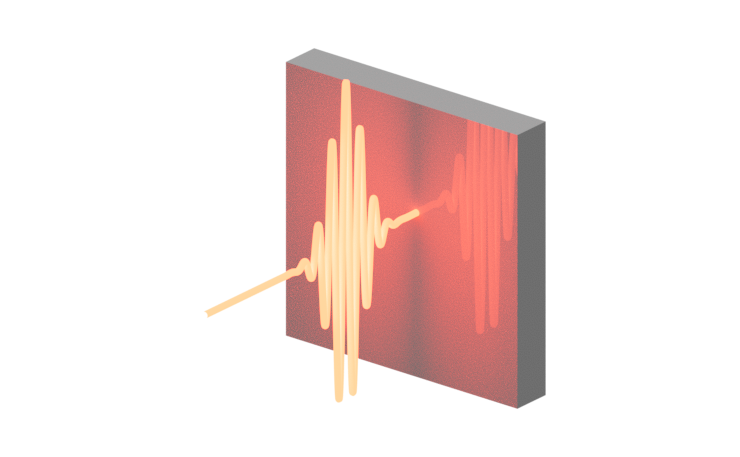
THz Time-domain modeling
Using a single Lorentz-Oscillator model we model the response of a materials with a variable thickness
Writting a custom indicator in Javascript
In this short post we code a gauge indicator in JS and integrate it with Wolfram Language

Basics of Compute Shaders in WL & WLJS 1
An introduction guide on writting and testing compute shaders (GPGPU) written in OpenCL
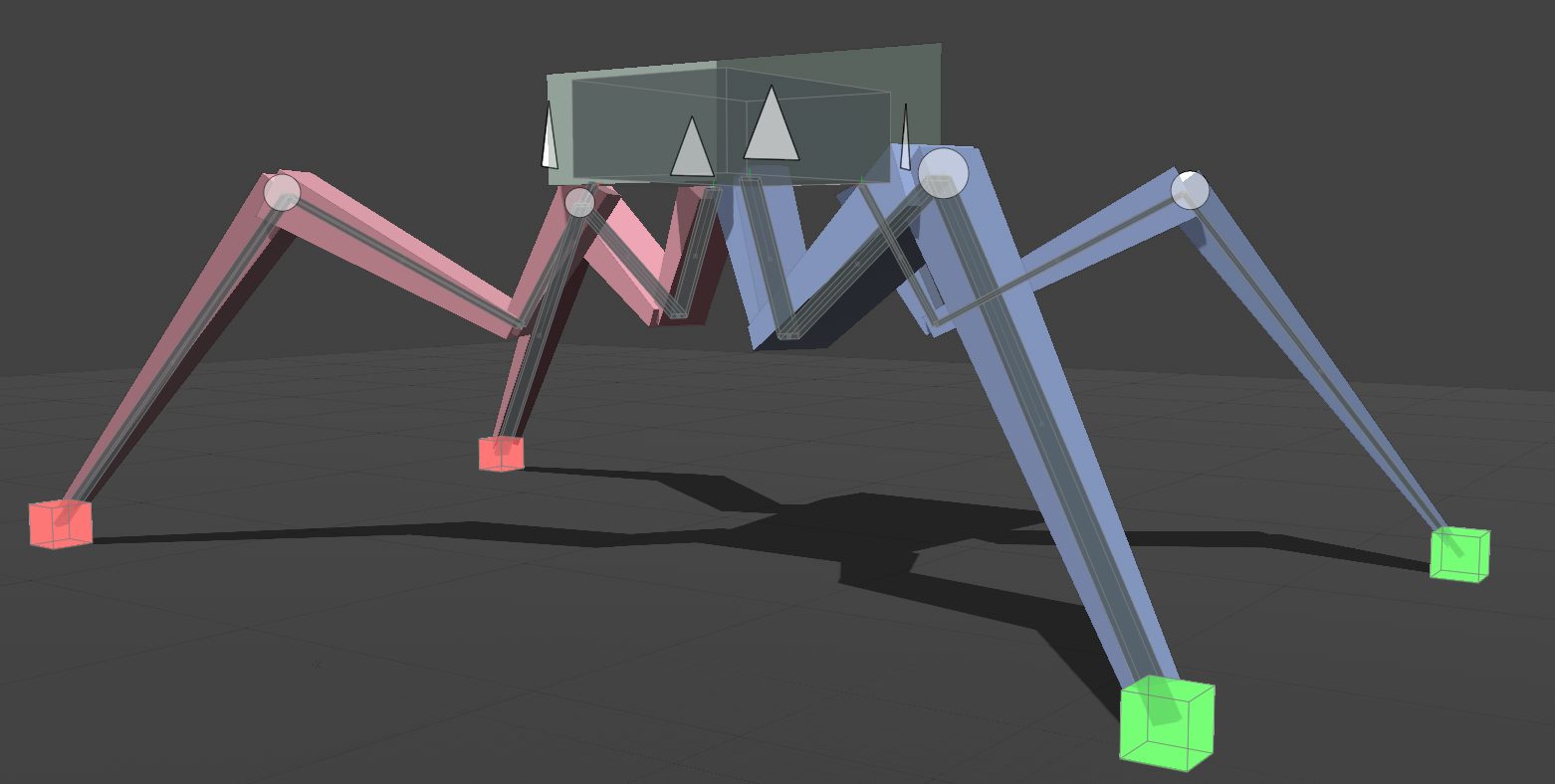
Planar Inverse Kinematics
A very small and easy implementation of the Fabrik algorithm. Useful for animation, robotics or other optimization problems.
Interactive Curve Fitting
Some primitives, as well as the entire canvas, can emit events on various user actions. Let's build an interactive Gaussian curve fit
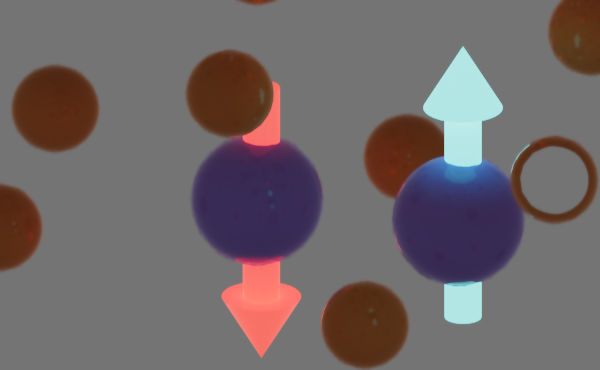
Modelling quantum spin-system with orbital degeneracy
Today we delve into quantum mechanics with a focus on symbolic quantum operators and spin-Hamiltonians. It begins with setting up orthogonality rules and defining the linear properties of basis functions.
Realtime path-tracing
There is nothing more exciting in programming than designing a graphics application. We are happy to annouce that 3D plots now support realtime path-tracing.